Finding our way to The Way one situation at a time. I don't know how great it will be, but I expect it will be interesting, and I look forward to it going on past all reason because wonder is just that way. Are you coming or not?
Letting things be what they are and knowing when intervention is required and when it would only make thing worse is an art to living well upon the earth. Too much the savior is intrusion. Too little the savor is aiding and abetting. When are we being nosy and when do we need to be minding our own business? Where do we draw the lines. The simple path to living life as it needs to be lived is knowing where to draw the lines and drawing them.
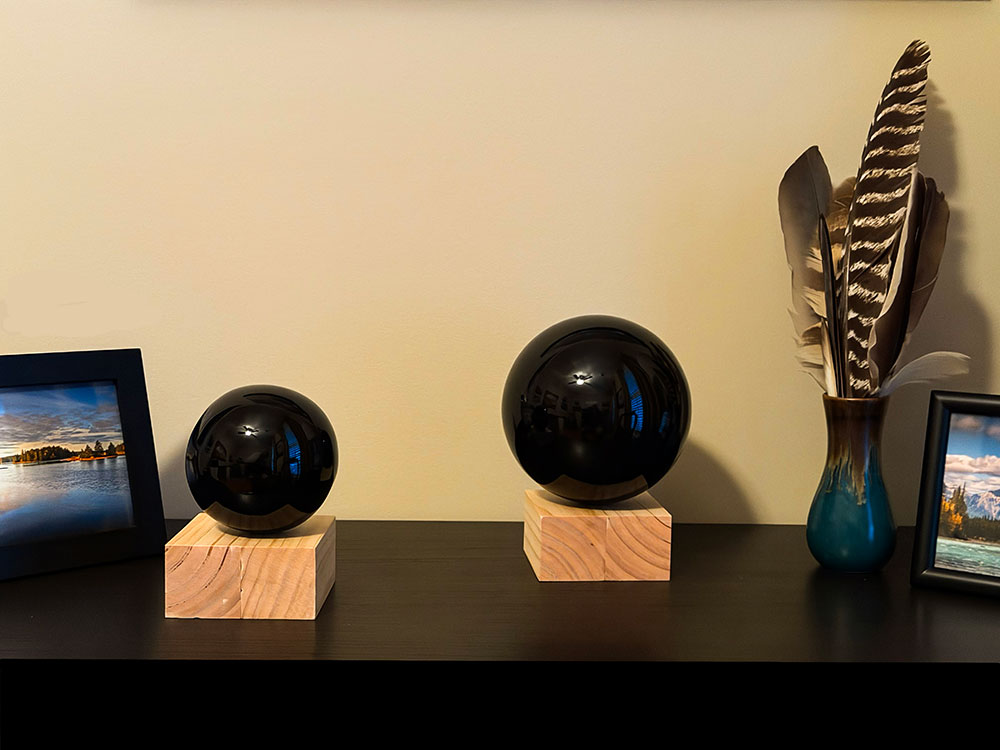
Uncarved Blocks and Mystery Orbs representing Psyche and Tao
This is my home sanctum looking toward my Wailing Wall replica. My office is a memento of me with my prayer beads, my books, my photographs, my rocking chairs and, of course, two windows to look out. This is my retreat, my hangout, my get-a-way, my sanctuary, my creation, and is just like me, who I am.
Liberty, Justice, Equality, Truth are the four foundational values. All of the others, Love, Joy, Peace, Patience, Gentleness, Generosity, Loyalty, Troth and however many more there may be all depend upon and flow from the four pillars of Democracy. We should all stand together every Fourth of July and swear our plight and our united allegiance to the four foundations to our life and liberty now and forever, knowing that we have to mean it for it to mean anything.
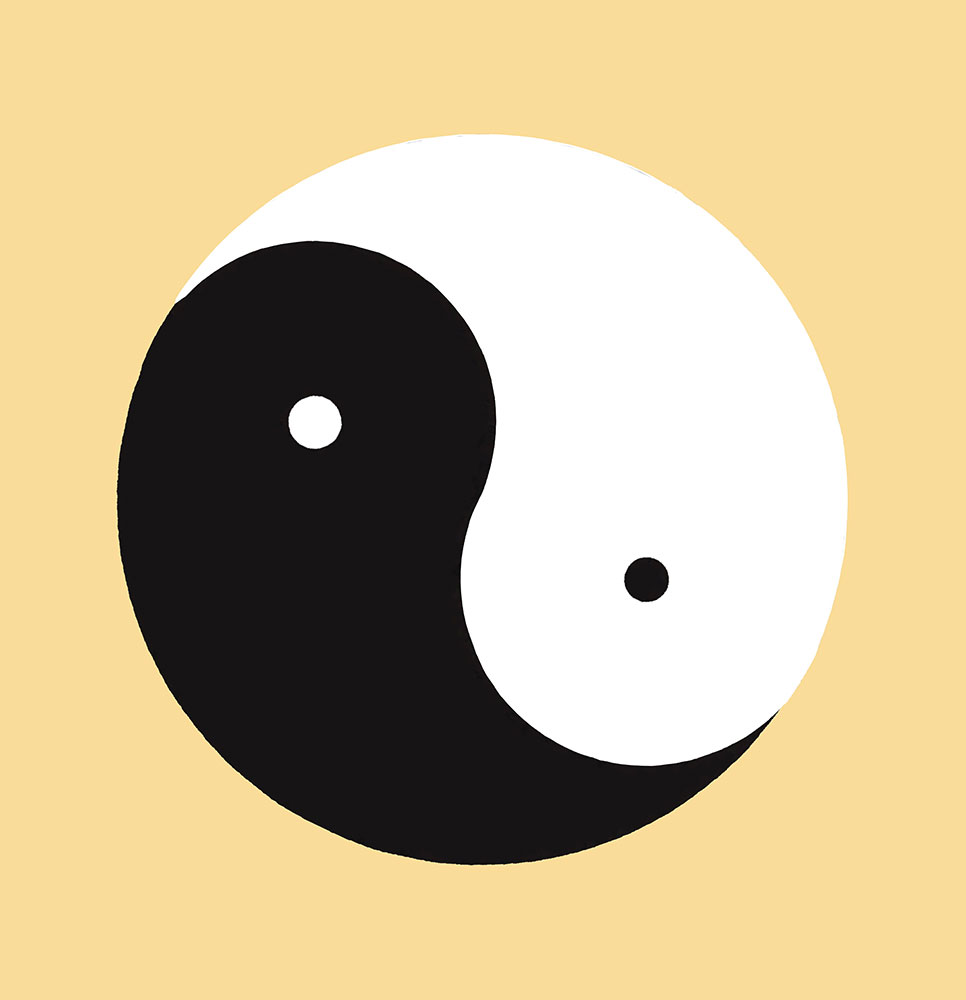
We need contrasts to see anything. Without contrast everything would be invisible. Where does good end and bad begin? We might draw the line in different places at different times of the day, or of our life. “It all depends,” sometimes. Sometimes “It doesn’t matter.” Who is to say? We are. Each of us is our own authority in the matter of line drawing, of saying what’s what. Of deciding what to do. When. Where. How. Our life is our life. Our tastes are our tastes. Our preferences are our preferences. Who barges into our space, telling us how to live our life? Knowing when, where and how to draw the line, and doing it is crucial to being able to live our own life. Living without the bullies should be a right to life for everyone. It would be my gift to everyone if only I had the power.
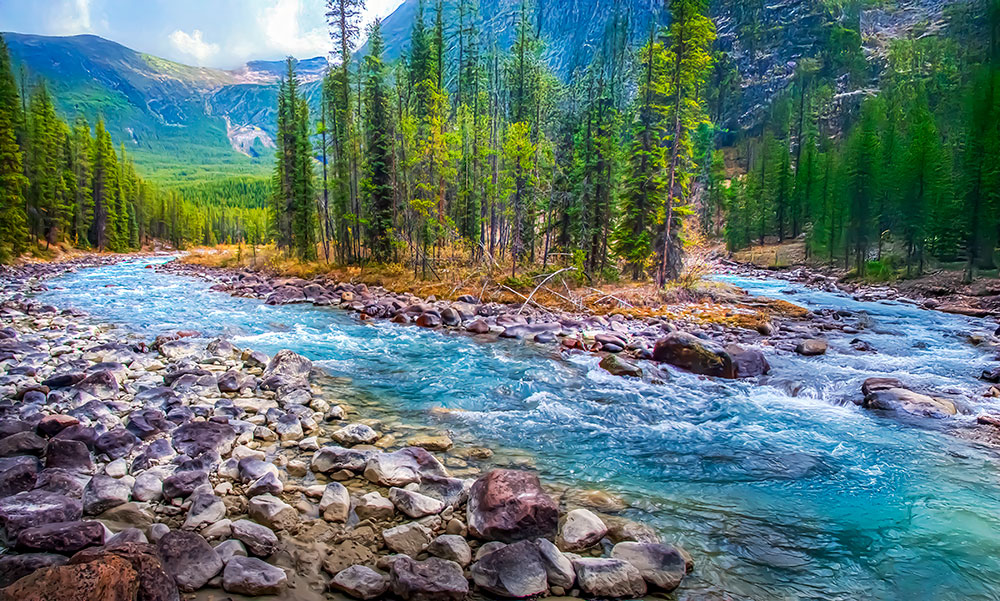
Sunwapta River–Jasper National Park, Canadian Rockies, Alberta
Silence itself is a natural wonder. Just being quiet. Looking out the window. Open to the astounding experience of being alive and knowing it. How often do we do that in a day?
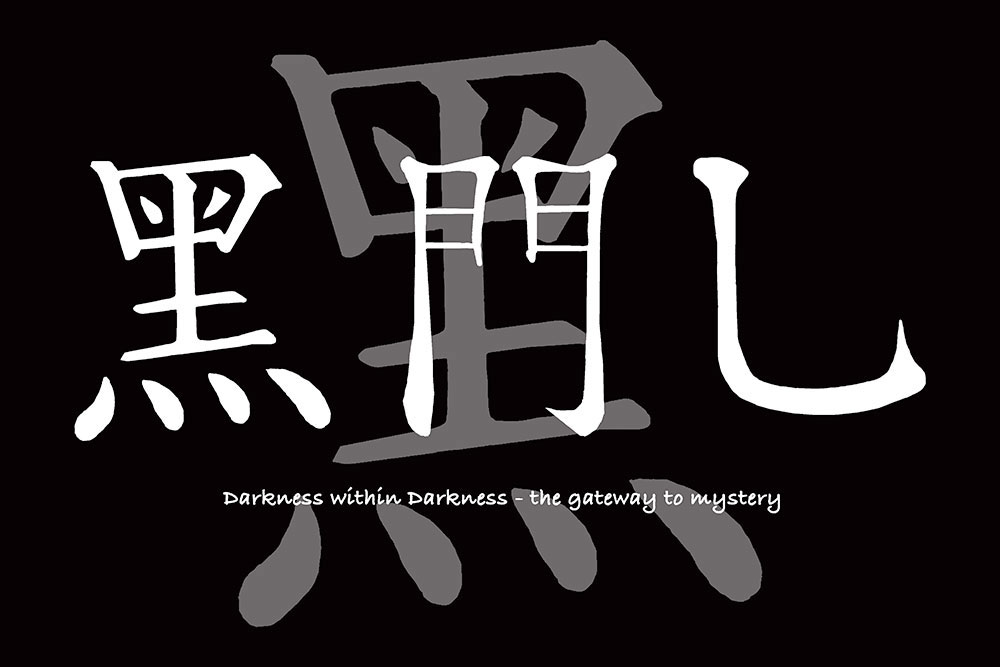
Darkness as the gateway to mystery and understanding–understanding that darkness and mystery are just that–darkness and mystery! And some things can be experienced but not understood and some things can be understood but not explained. The proper response to such things is, “Oh, I see!” while not seeing at all. See?
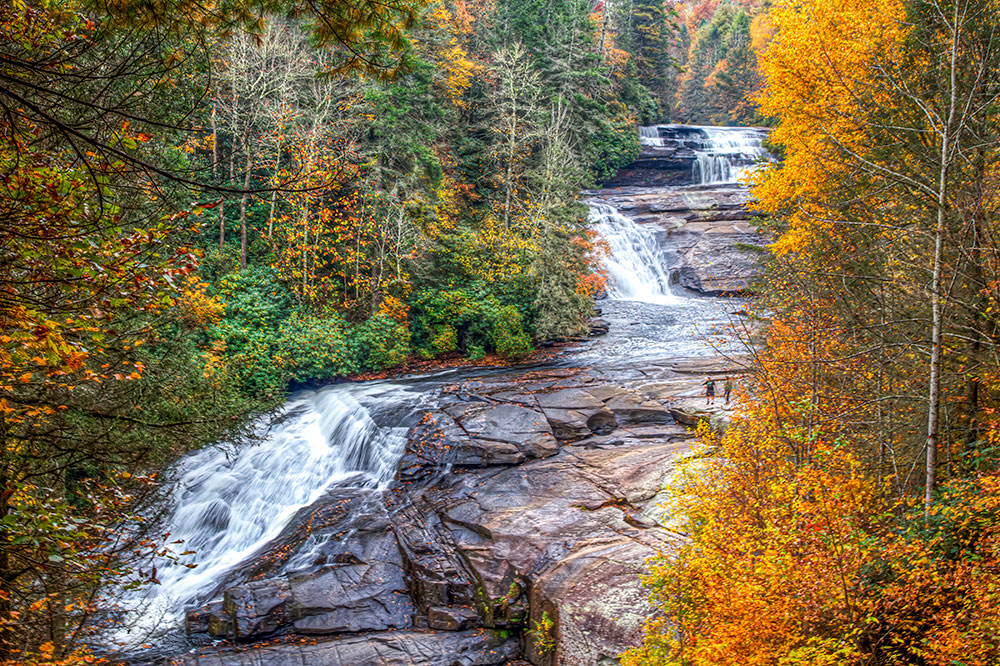
Tripple Falls-Dupont State Forest, Cedar Mountain, North Carolina
I wish I had spent more time in Dupont State Forest, but I was running out of time, and we make concessions and trade-offs all along the way. It is a great area and under-advertised, but the people who know about it love it, as well they should. Another way of saying, “Nature is there, and we have to do what we can to avail ourselves of it to the extent that we are able to do that, all our life long.
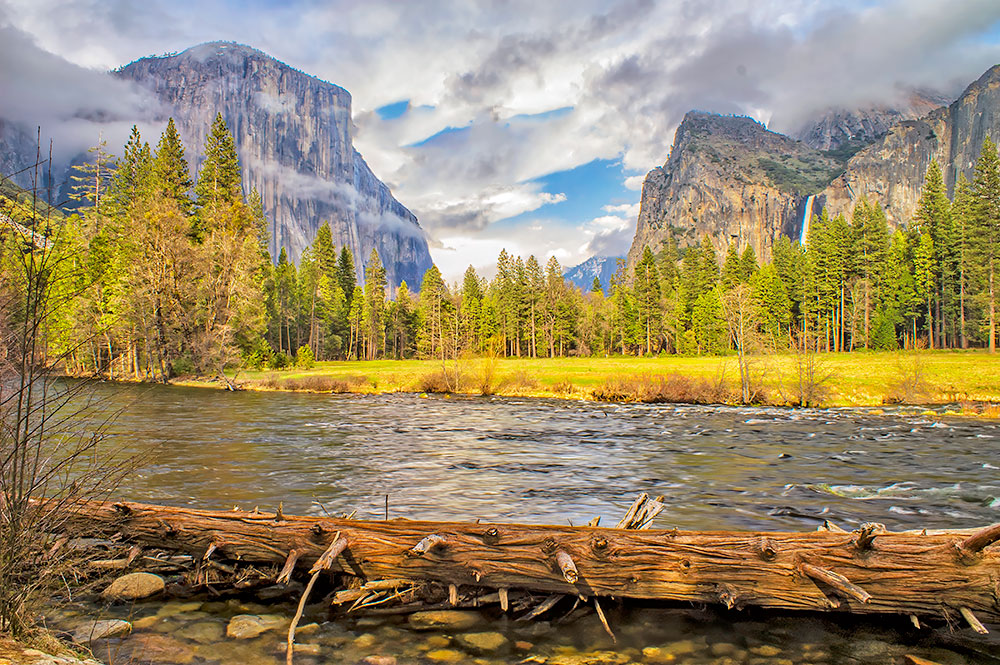
Valley View–Yosemite National Park, California, Merced River
Being present with some aspect of the natural world, where things are as they are because of the interaction with other things being as they are, and so on through all of the aspects of every natural world in the Cosmos, is exactly how I would like to spend eternity. Wandering through nature everywhere. And then, doing it again. For the wonder of it. And the realization, recognition, awareness… that flows from it all–and how transformative that can be just by seeing/knowing what’s what. Which may be why we are here–to be the audience nature deserves, demands, requires. Art without admirers would be a travesty. Truth requires perception. And here we are!
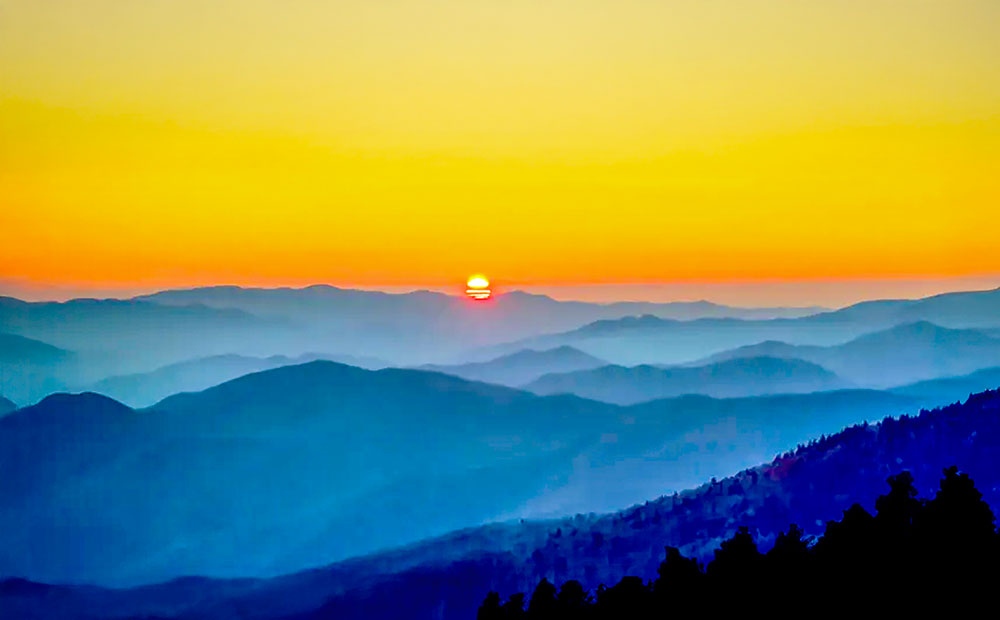
Sunset from Clingman’s Dome Parking Lot–Great Smoky Mountains National Park, Gatlinburg, Tennessee
We know what we want, but what we ought to want? Not so much. We want to do what we want, but not what we ought to want. How are we going to know who we ought to be? Who we are? It takes a lot of looking to be able to see, and a lot of looking to be able to see. And a lot of silence to be able to know what we know and what we need to know. Listening to the silence 20, or 30, minutes a day would not be too much. How many days before things begin to occur to us “out of nowhere?” Before we begin to know things we don’t know how we know? What is stopping us? Seriously. What is stopping us? Get to the bottom of it. Then, get to the bottom of everything. You could even ask Gemini on Google. That isn’t cheating.
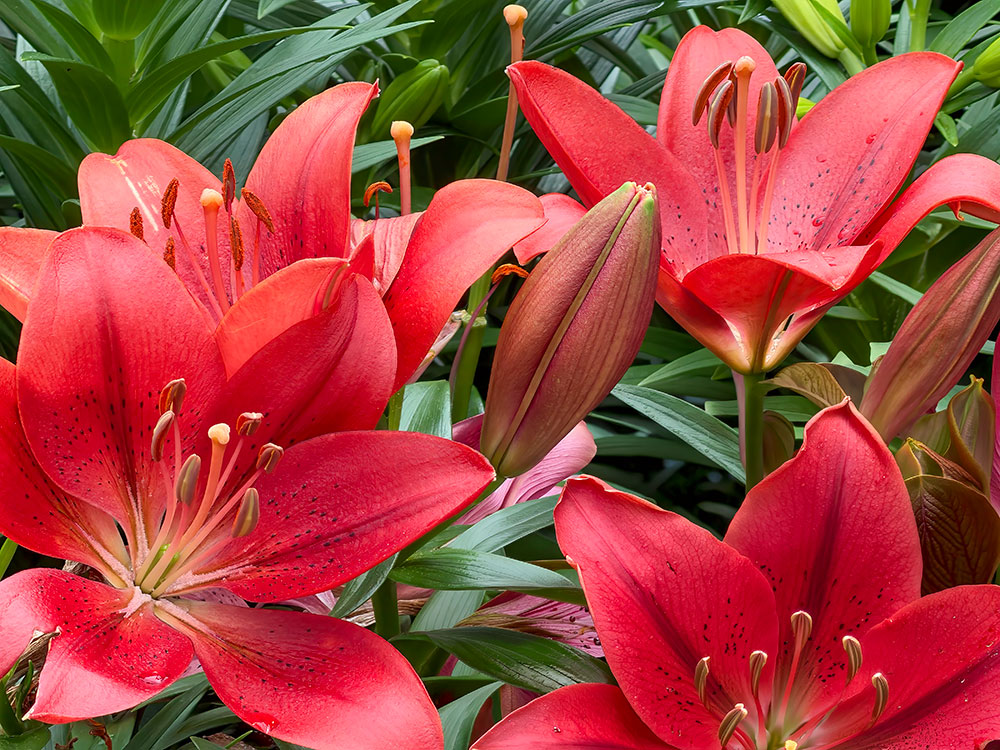
Red Lilies at Pike Nursery, Charlotte, North Carolina
I enjoy the times between times, when nothing is called for and everything is “steady as she goes,” and we all can enjoy the simple pleasure of breathing and knowing that we are breathing and can listen between breaths for whatever joy or realization makes itself visible for its own joy, perhaps, and life delights in itself for a while.
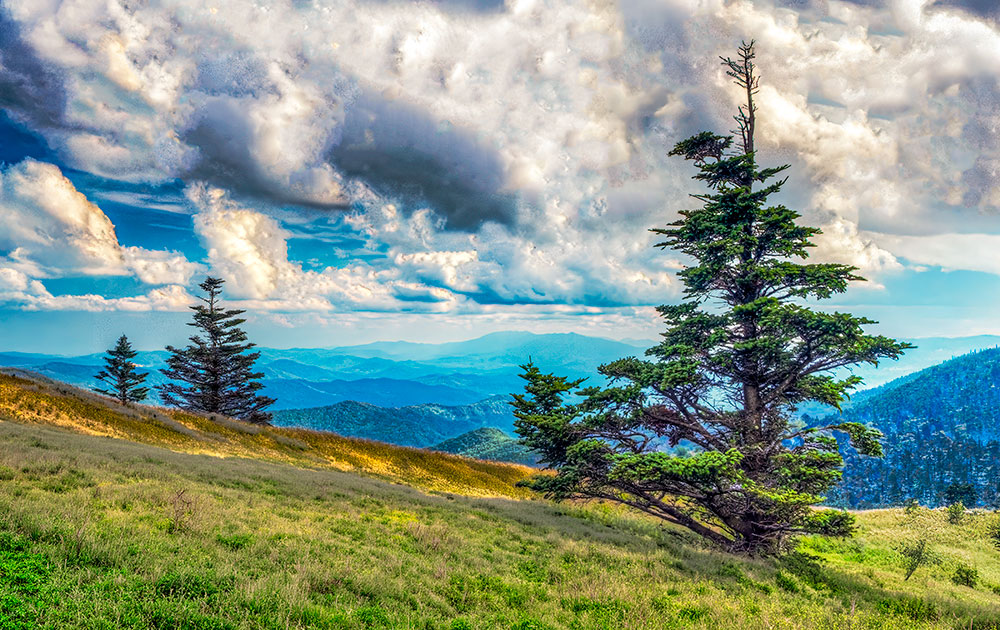
Roan Mountain Highlands–Roan Mountain State Park, Carver’s Gap, Tennessee
“Poverty with a view.” Spoken by a waitress in Jackson, Wyoming, bordering Grand Teton National Park who lived fifty miles away and drove to work every day because she couldn’t afford a place to live where she worked. The same thing would be applicable to most of the national parks, and state parks, everywhere. The Appalachian wilderness is beautiful, but it is no place to make a living. Taoist poets in 500 BCE China were destitute. Life without money has been the rule through the ages, and beautiful surroundings are very little help in making ends meet. We live with anomaly and make the best of it. Squaring ourselves up with disparity is the way it is for most of us worldwide, and those who do the best job of doing that live with low expectations and very little in the way of opinions, like corks on the water, leaves in the wind. Doing what needs to be done, when, where and how it needs to be done, as Lao Tzu put it in The Tao Te Ching, “Do your work and sit back, let nature take its course.” Accommodating ourselves to the world rather than expecting the world to accomodate itself to us.