Finding our way to The Way one situation at a time. I don't know how great it will be, but I expect it will be interesting, and I look forward to it going on past all reason because wonder is just that way. Are you coming or not?
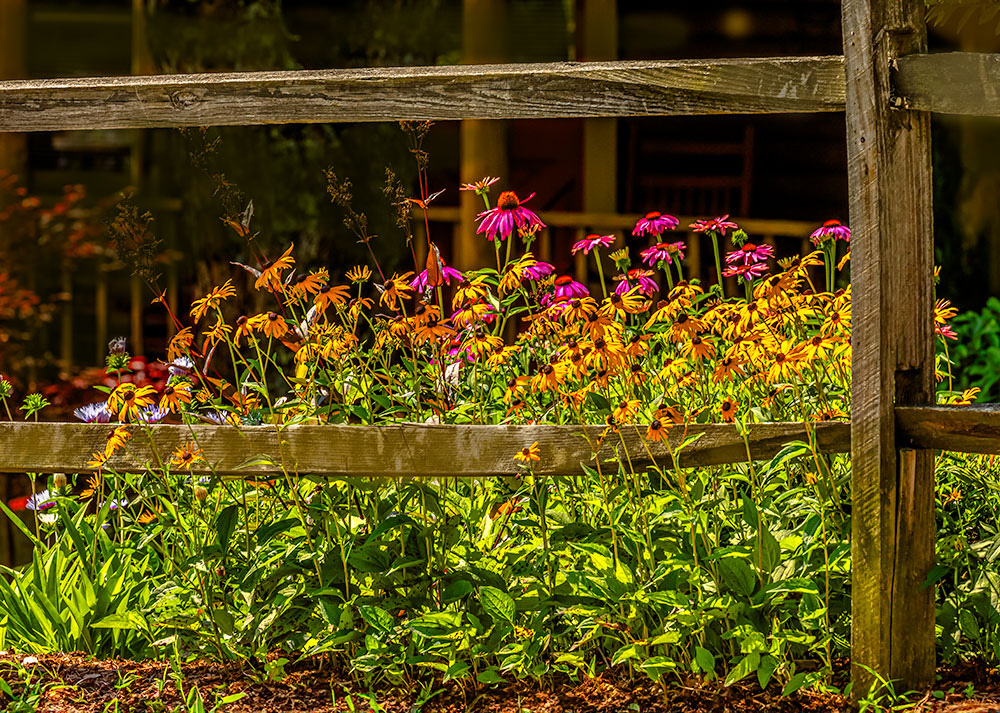
Sidewalk Display 07/10/2010 — Blowing Rock, North Carolina
David Brooks suggests that we ask, "How did you come to believe the way you do?" when accosted by someone pushing their view upon us or attacking us for our views.
It is a beautiful shift in direction.
When we tell our stories-- even partially, with only a sentence or two-- everything changes.
Story is magical in this way. We are no longer in attack/defense mode. We are sharing who we are with others, with strangers, acknowledging that we all share common ground.
The more common the ground, the less bitter the confrontation.
I spent the first six years of my life largely in Itta Bena, Mississippi. Ten miles from Greenwood, where I was born because that is where the hospital was, and still is.
You can Google map Itta Bena on street view, and what you see isn't much different from the way it was nearly 80 years ago.
In Itta Bena in the late 1940's, my adult friends were black men, Matt White, Shorty, and John Taylor. John Taylor did not live in Itta Bena. He and his wife Annie lived on my uncle's plantation near Inverness, Mississippi.
Anne left John and moved to live with relatives in Chicago in the late 50's. I expect it was a better life.
The three black men were my friends, and the friends of other boys my age in Itta Bena. We all shared the common fate of being treated with no respect by the white men in town.
The black men taught us how to dig for worms and fish for bream (Sunfish) in Roebuck Lake, which had a large fish population in the days before Round-Up was used to kill weeds growing in the cotton fields, and was washed into the lake by summer showers, killing everything with gills.
All of the Delta lakes died that way, Three Mile, Six Mile, Mosquito, Macon, and hundreds of others I never knew.
Part of me died there, too. The innocent part. The trusting part. The best part. And I am much more like I am now than I was when I got here back then. And the black men (and women, boys and girls) had it much worse than I did. I still cry for us all, as I am now.
I'm retired, and still finding my way--but now, I don't have to pretend that I know what I'm doing.
I retired after 40.5 years as a minister in the Presbyterian Church USA, serving churches in Louisiana, Mississippi and North Carolina. I graduated from Austin Presbyterian Theological Seminary, in Austin, Texas, and Northwestern State University in Natchitoches, Louisiana. My wife, Judy, and I have three daughters, five granddaughters, one great granddaughter, and a great grandson on the way, within about ten minutes from where we live--and are enjoying our retirement as much as we have ever enjoyed anything.
View more posts
 Jim Dollar's Photography and Philosophy